What does a day on safari look like?
One of the questions I’m asked most often when clients are considering an African safari is, “What does a typical day actually look like?” While no two days are ever the same—wildlife has a way of rewriting the plan—safari days follow a natural, easy pace, shaped by the landscape and the wildlife rather than a strict plan.
As a travel advisor passionate about safaris, this is one of my favorite conversations to have. Once you understand the flow of a safari day, it becomes clear why this style of travel feels both exciting and deeply grounding. Safari isn’t about rushing from one activity to the next—it’s about being present, moving with the landscape, and letting the experience unfold naturally.
So, what does that look like in real life? Let’s walk through a typical day on safari…
5:30 AM – A Gentle Wake-Up Call
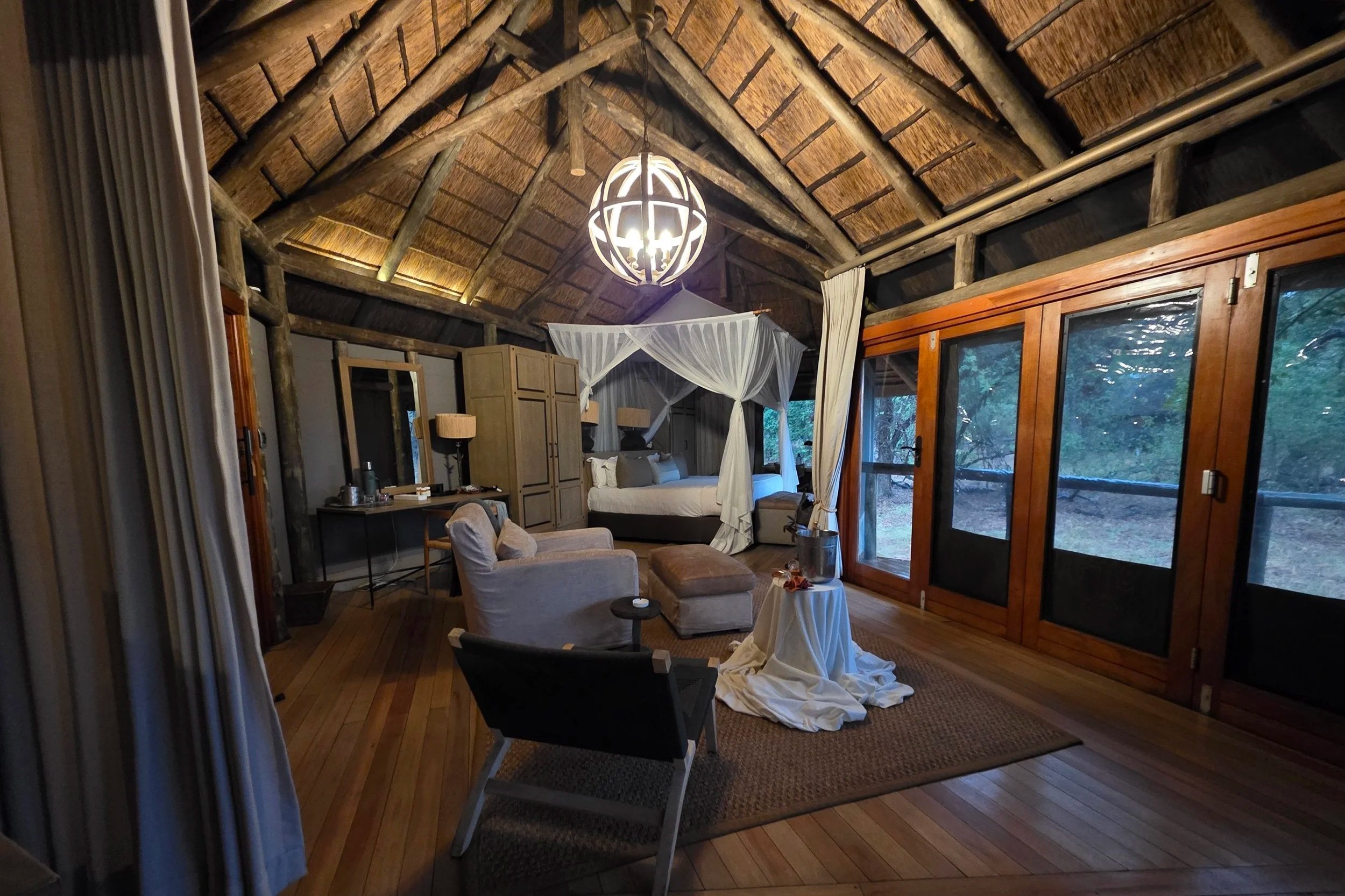
Your safari day begins early, but it’s a gentle awakening. Around 5:30 a.m., your guide or a member of the camp team will quietly arrive at your tent or room with a soft knock and a warm greeting—no alarm clocks, no phones buzzing.
The air is cool, the sky is just beginning to lighten, and the bush is slowly waking up around you. There’s a sense of anticipation that’s hard to describe until you experience it yourself. These early hours are ideal for wildlife viewing, which is why safari travel starts this way.
6:00 AM – Light Breakfast
By 6:00 a.m., you’ll gather in the main lodge area for breakfast.
This is a relaxed moment—time to layer up and quietly chat with fellow travelers. No one is rushing. Your guide will make sure the vehicle is prepped with blankets, rain jackets (if it’s the season for rain), and drinks.
6:30 AM – Morning Game Drive (4–5 Hours)
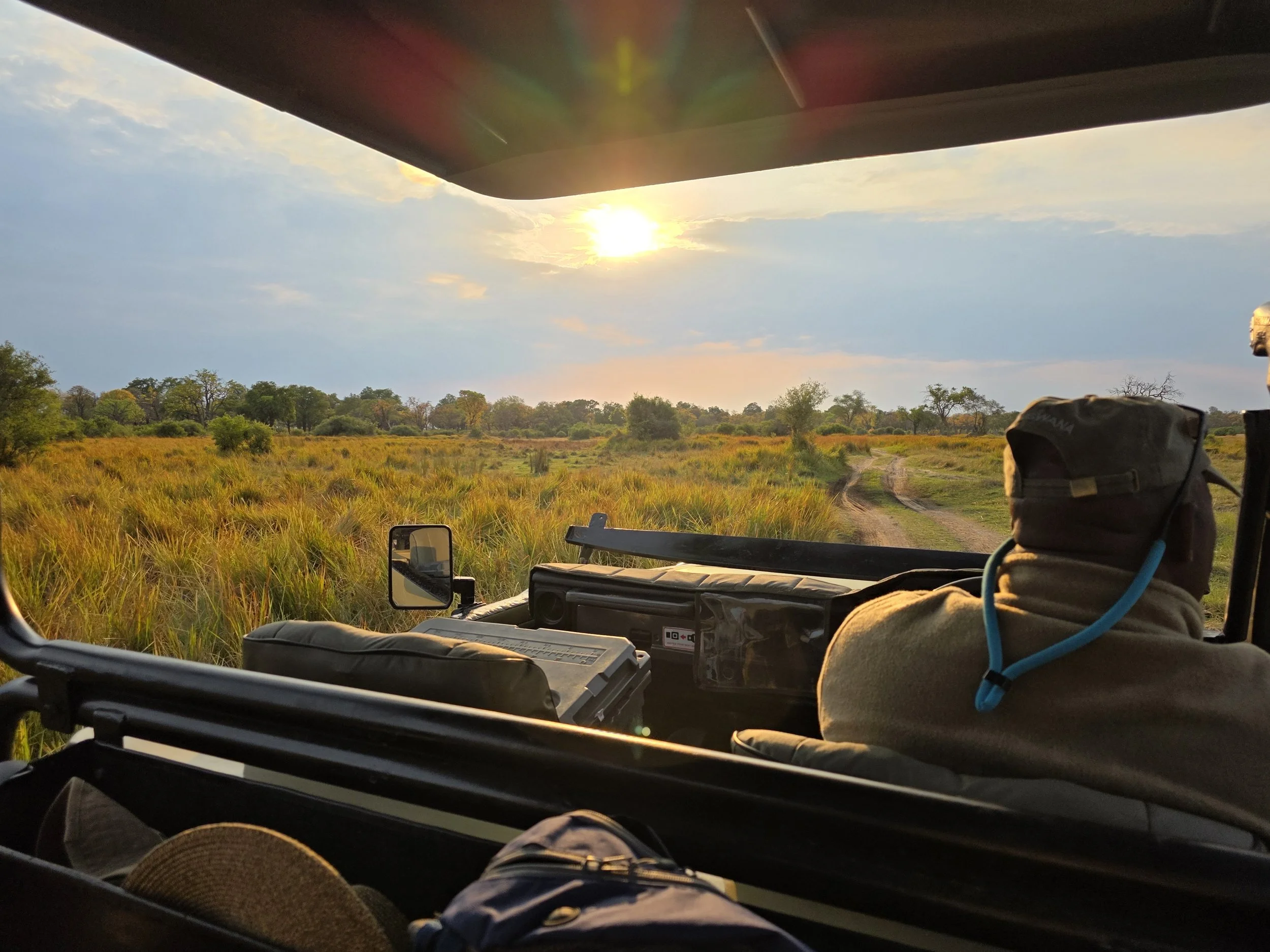
Around 6:30 a.m., you’ll head out on your morning game drive, often the most productive time of day for wildlife sightings.
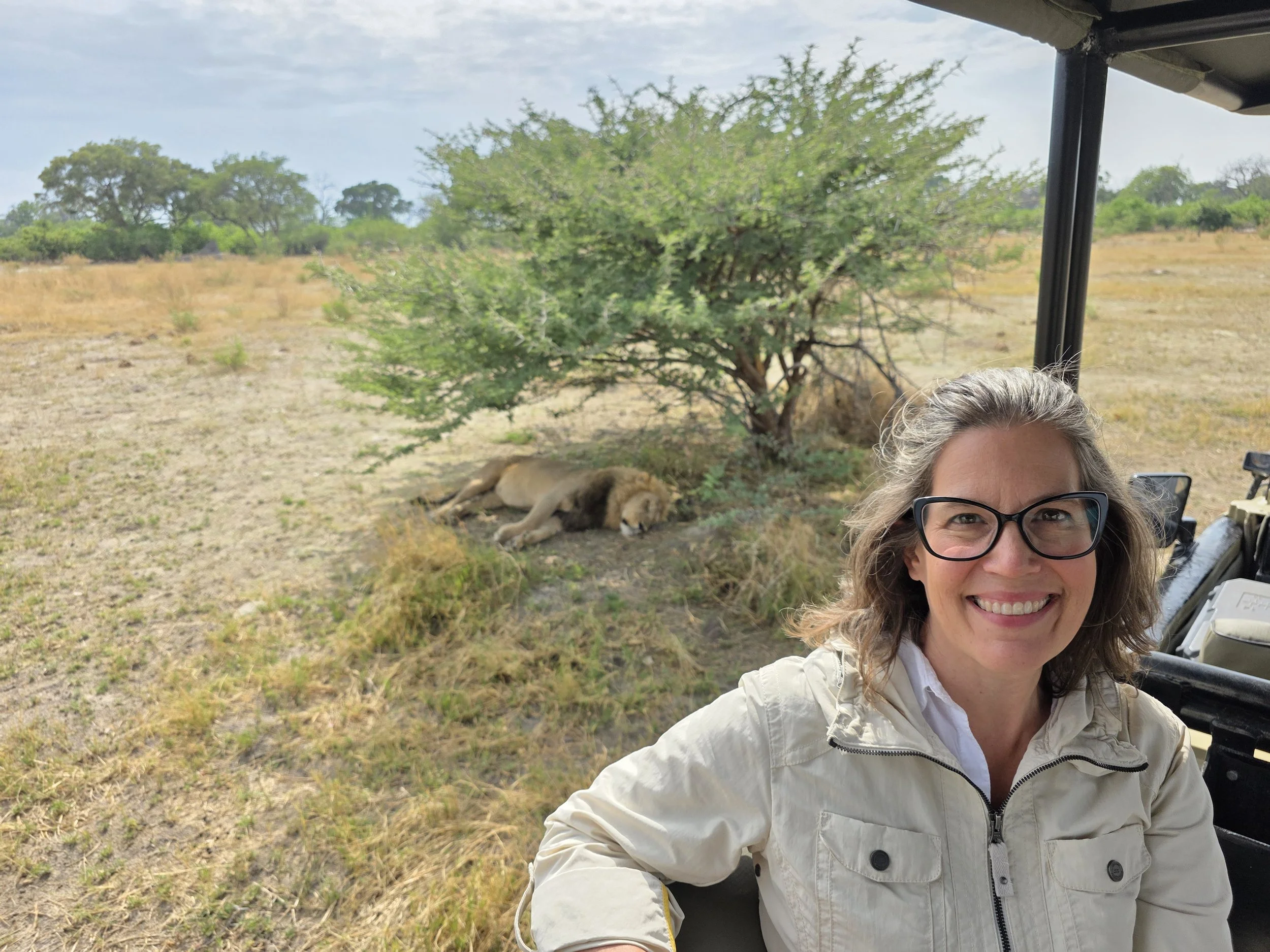
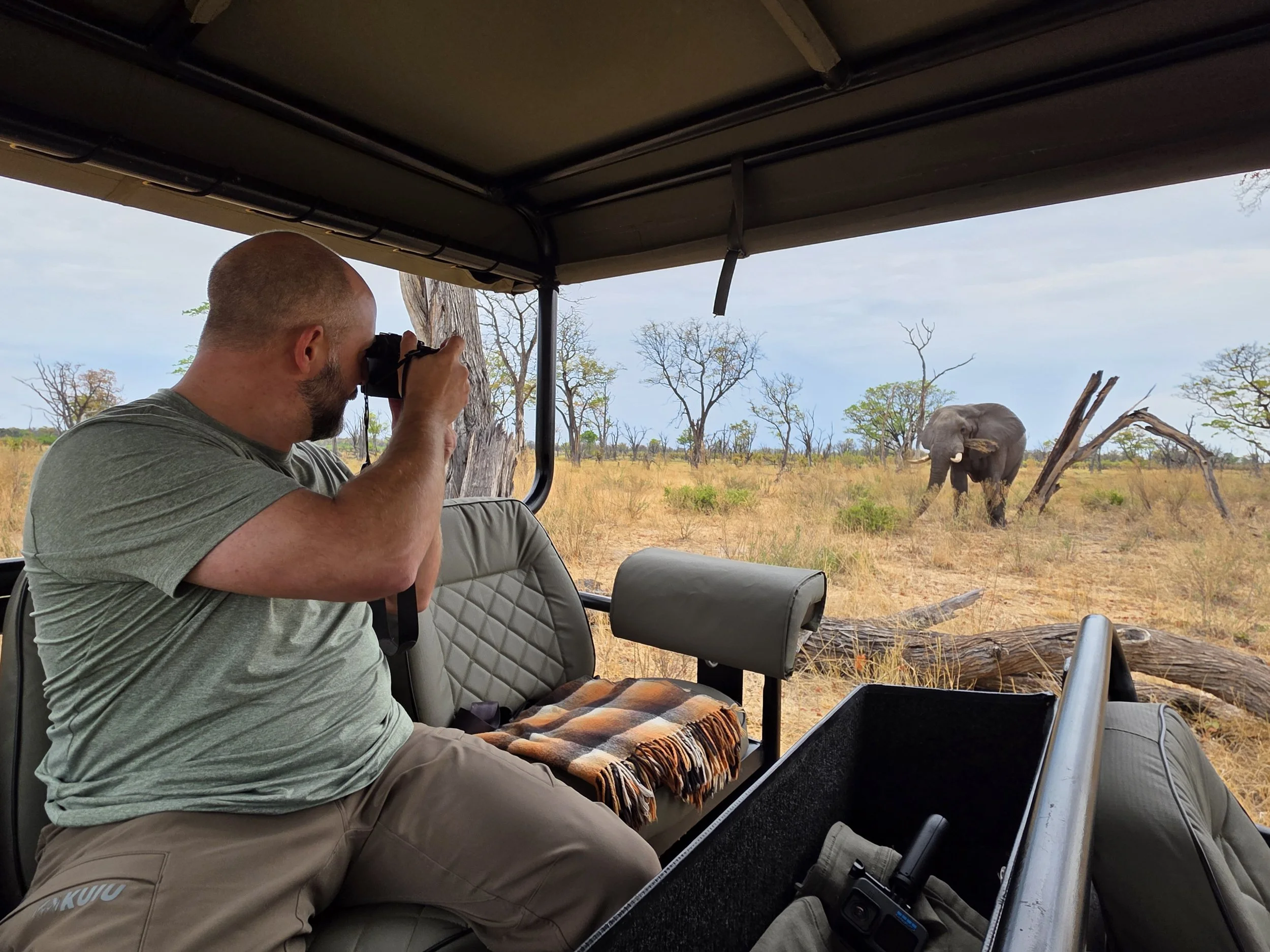
A game drive is when you explore the reserve in a safari vehicle with your expert guide, who is tracking animals, reading signs in the landscape, and sharing insights along the way. Over the next four to five hours, you might:
Follow fresh lion tracks in the sand
Watch elephants cross the plains as the sun rises
Spot a leopard resting in a tree
Learn how guides interpret animal behavior
There’s no rigid agenda. Some mornings are filled with dramatic sightings; others are slower and more observational. Both are equally special—and that unpredictability is part of the adventure.
11:00 AM – Return to Camp
By late morning, usually around 11:00 a.m., you’ll return to camp as temperatures begin to rise.
From here, the day naturally slows, and the focus shifts to comfort. That downtime is by design, so you can relax and fully enjoy the afternoon and evening ahead.
12:00 PM – Lunch
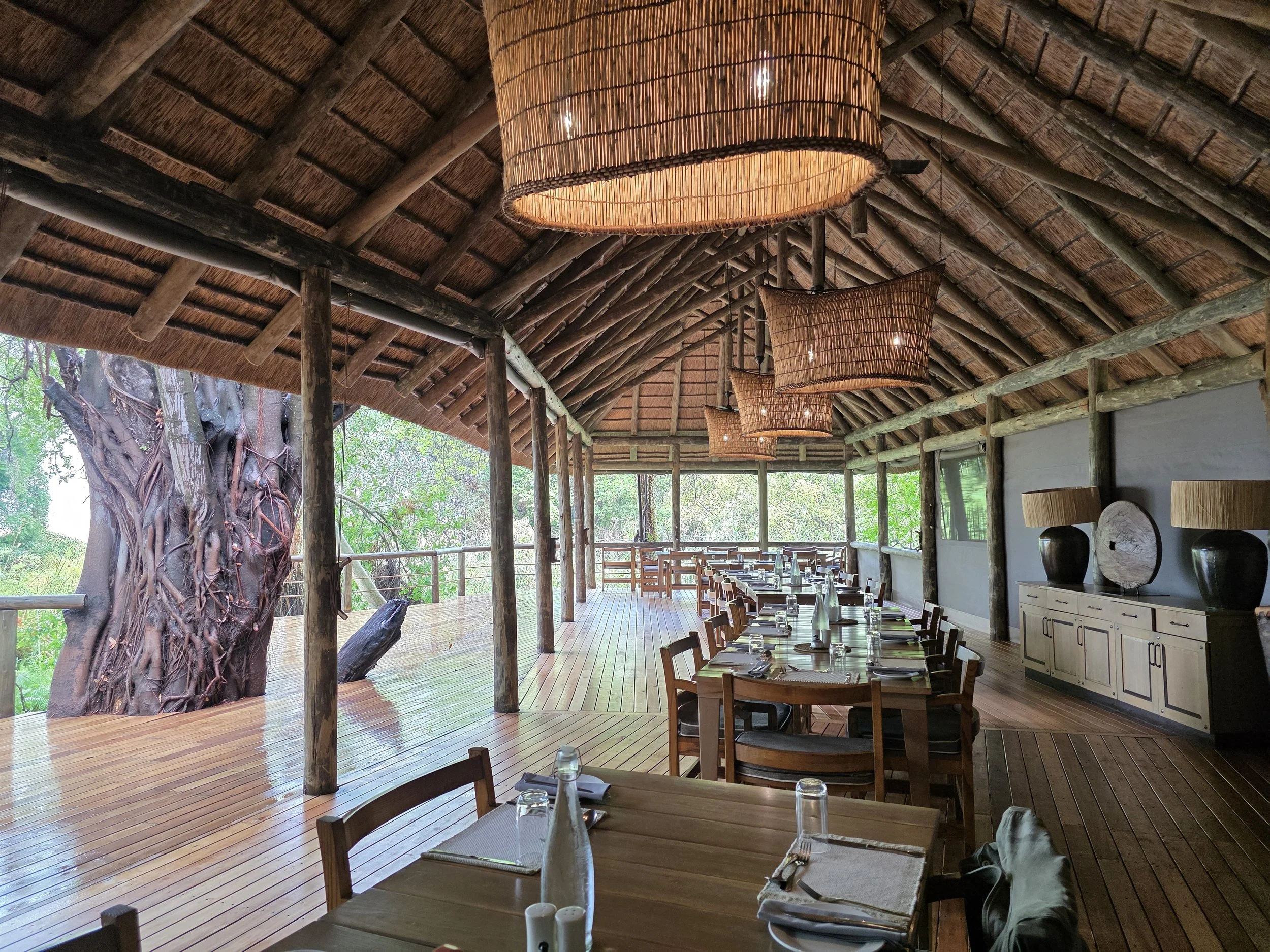
Lunch is typically served around noon, and it’s one of those moments where you pause and think, “I can’t believe we’re eating this out here.”
Meals become a time to swap stories from the morning game drive—what everyone saw, what surprised them, and what they’re hoping to see in the afternoon.
12:30–3:00 PM – Rest & Relaxation
Early afternoons are purposefully unstructured. From about 12:30 to 3:00 p.m., you’re encouraged to slow down and enjoy camp life.
This might include:
A nap back in your tent (my personal favorite!!)
A soak or swim in the pool
Reading on your private deck
Watching wildlife wander through camp
This downtime is one of the most overlooked—and most appreciated—parts of a safari. It’s what makes the experience feel restorative rather than exhausting.
3:00 PM – Afternoon Tea & Snacks
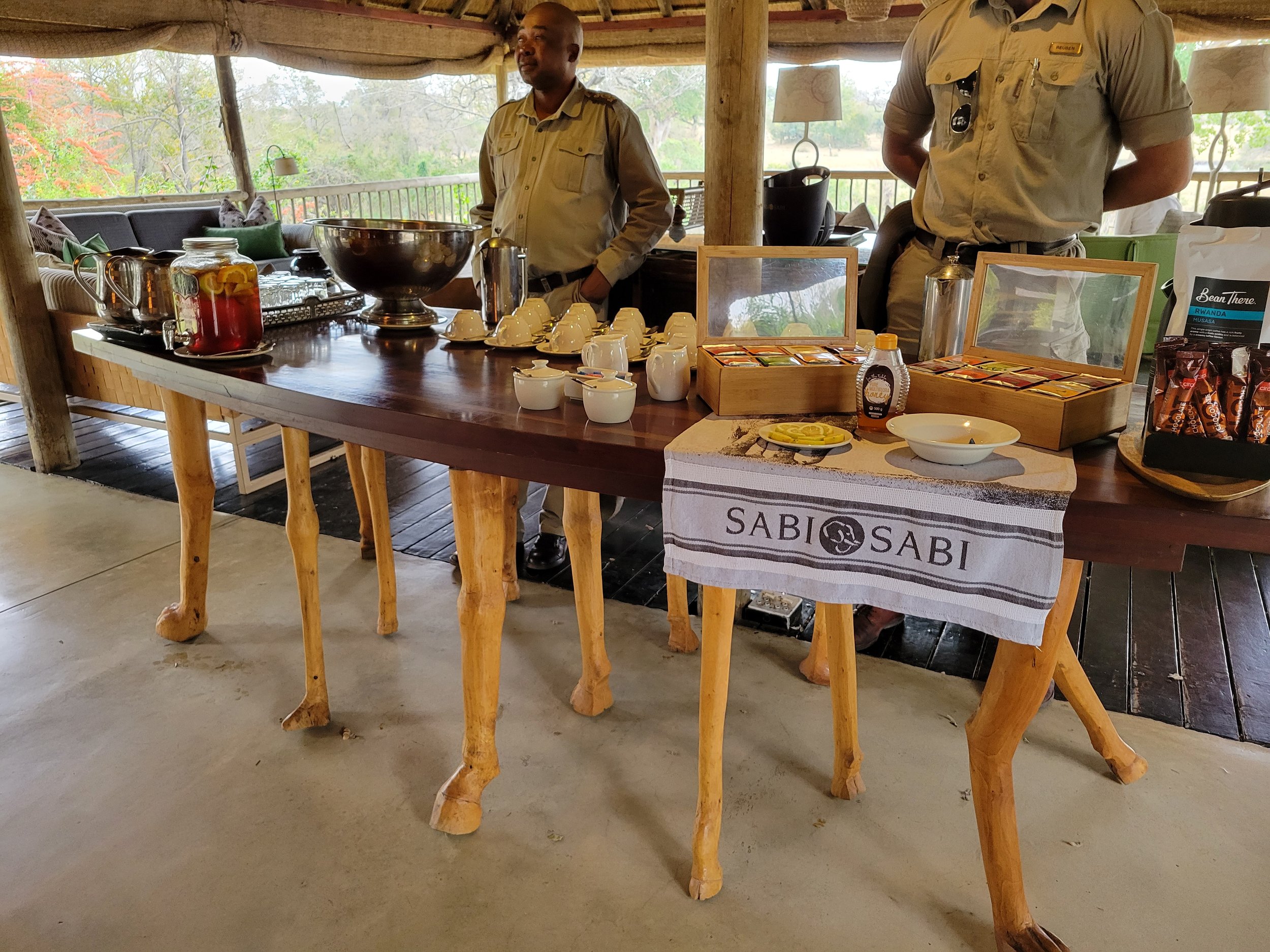
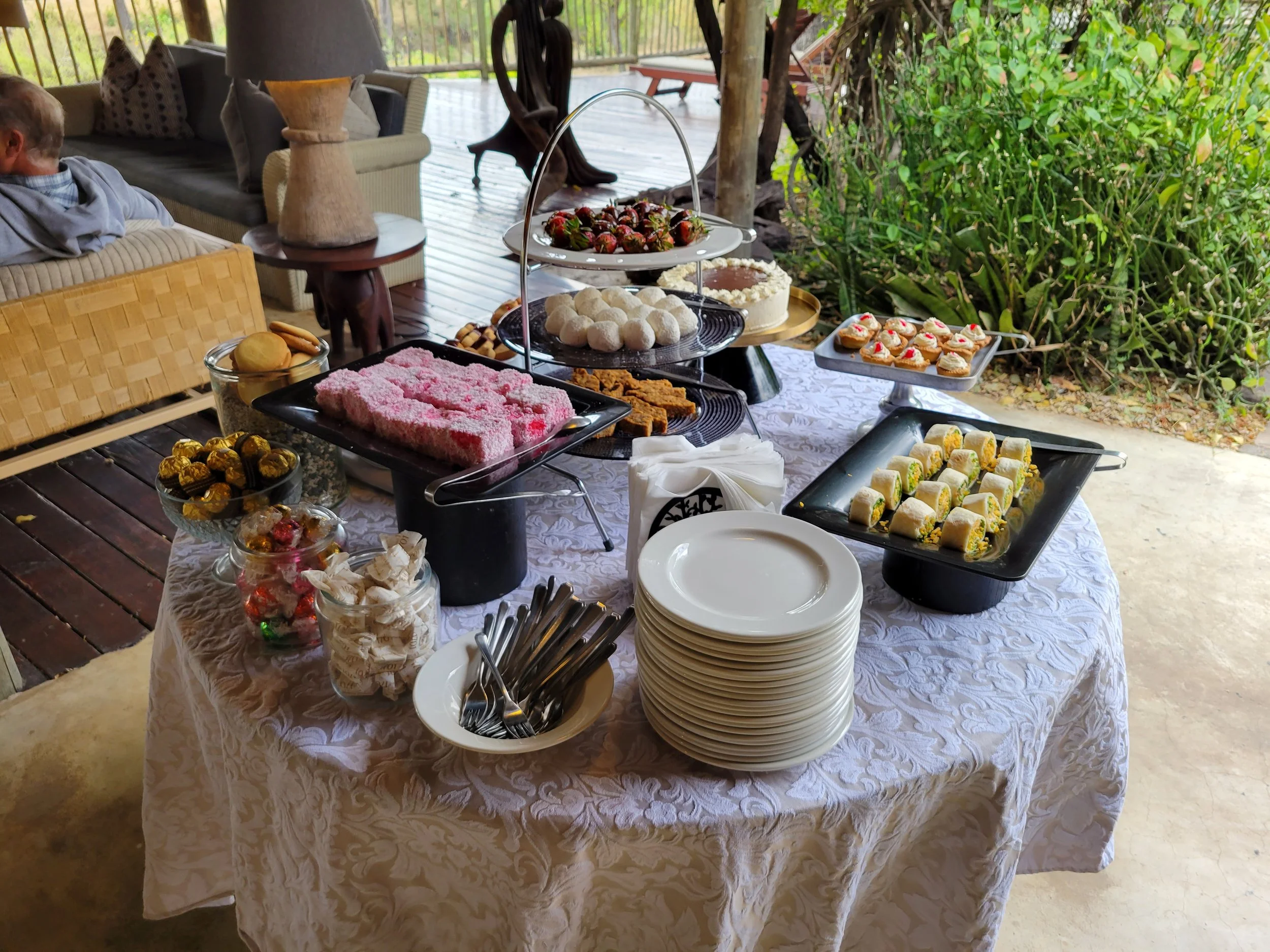
Around 3:00 p.m., it’s time for afternoon tea. This is often when some of my favorite treats appear—freshly baked sweets, savory bites, and something refreshing to drink.
It’s a relaxed, social moment before heading back out, and a lovely reminder that safari travel blends adventure with thoughtful hospitality.
3:30 PM – Afternoon Game Drive (3–3.5 Hours)
By 3:30 p.m., you’ll be back in the safari vehicle for your afternoon game drive. The light softens, shadows lengthen, and animals begin to stir again as the day cools.
Many afternoon drives include a sundowner—a stop at a scenic spot to enjoy a drink while watching the sun dip below the horizon. It’s one of those moments that stays with you long after the journey ends.
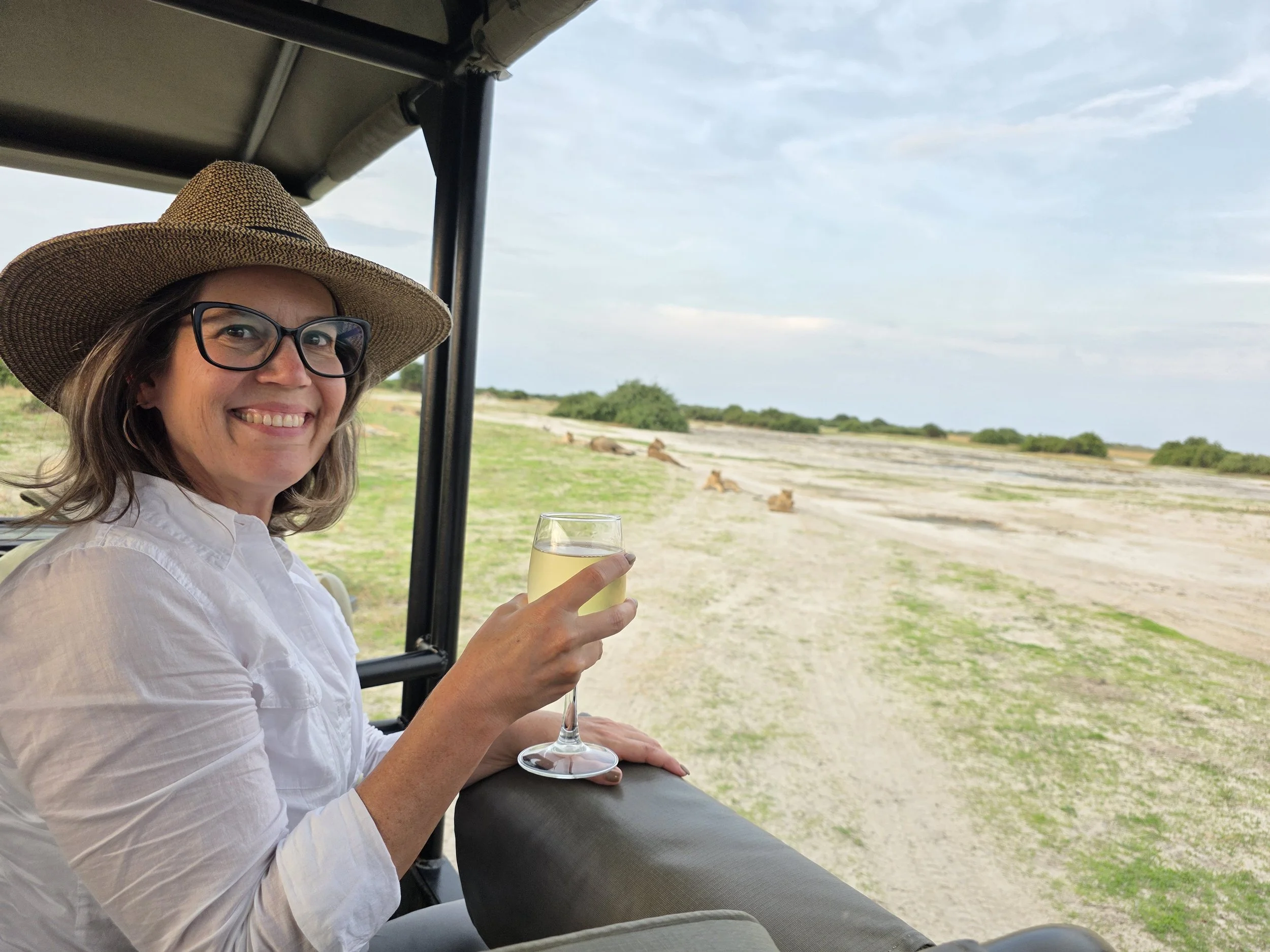
This was my favorite sundowner from all four of my safaris. While Africa is known for its incredible sunsets, this evening wasn’t really about the sun. We spent hours watching a pride of lions—including a few cubs—while a massive herd of elephants, moved and interacted around them. It was absolutely unforgettable.
8:00 PM – Dinner & Evening at Camp
After returning to camp, you’ll freshen up before dinner, usually served around 8:00 p.m. Evenings are cozy, often lit by lanterns or firelight.
Dinner is leisurely and social, filled with storytelling and reflection. By the time you return to your tent, you’ll be ready for a deep, contented sleep—knowing the next day will bring something entirely new.
Why the Safari Schedule Works So Well
Safari days are intentionally designed to balance exploration and rest. You experience wildlife at its most active, enjoy meaningful moments in nature, and still have time to slow down and simply be.
That balance is what makes safari such a powerful form of travel—and why so many of my clients say it stays with them long after they return home.
Thinking About a Safari of Your Own?
No two safaris should ever be the same. As a travel advisor, I design each safari experience around how you like to travel—matching the right destinations, camps, and pacing to your interests and comfort level.
If an African safari is calling to you, I’d love to help you explore what’s possible.