Expedition cruising: travel that goes deeper
Some journeys are about where you stay.
Others are about what you experience.
Expedition cruising is, at its core, about experiencing the world more deeply.
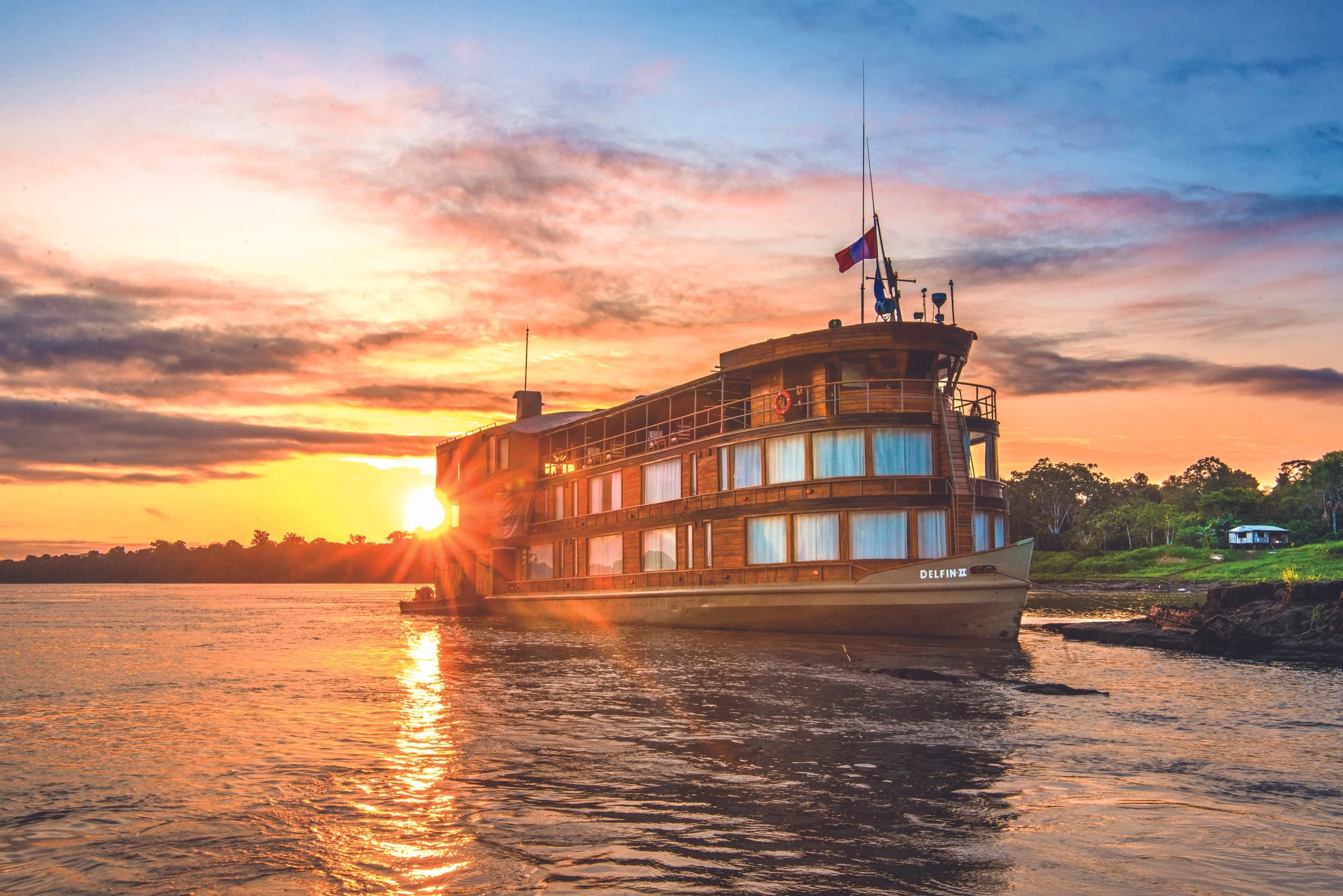
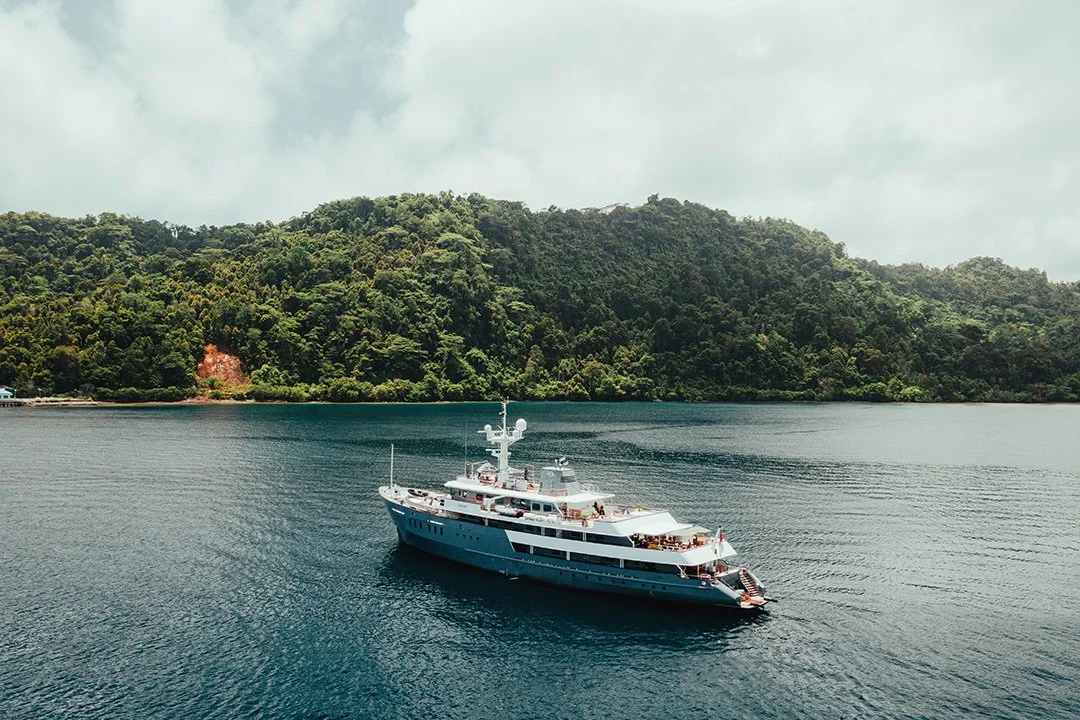

What is expedition Cruising?
Expedition cruising is travel designed for exploration.
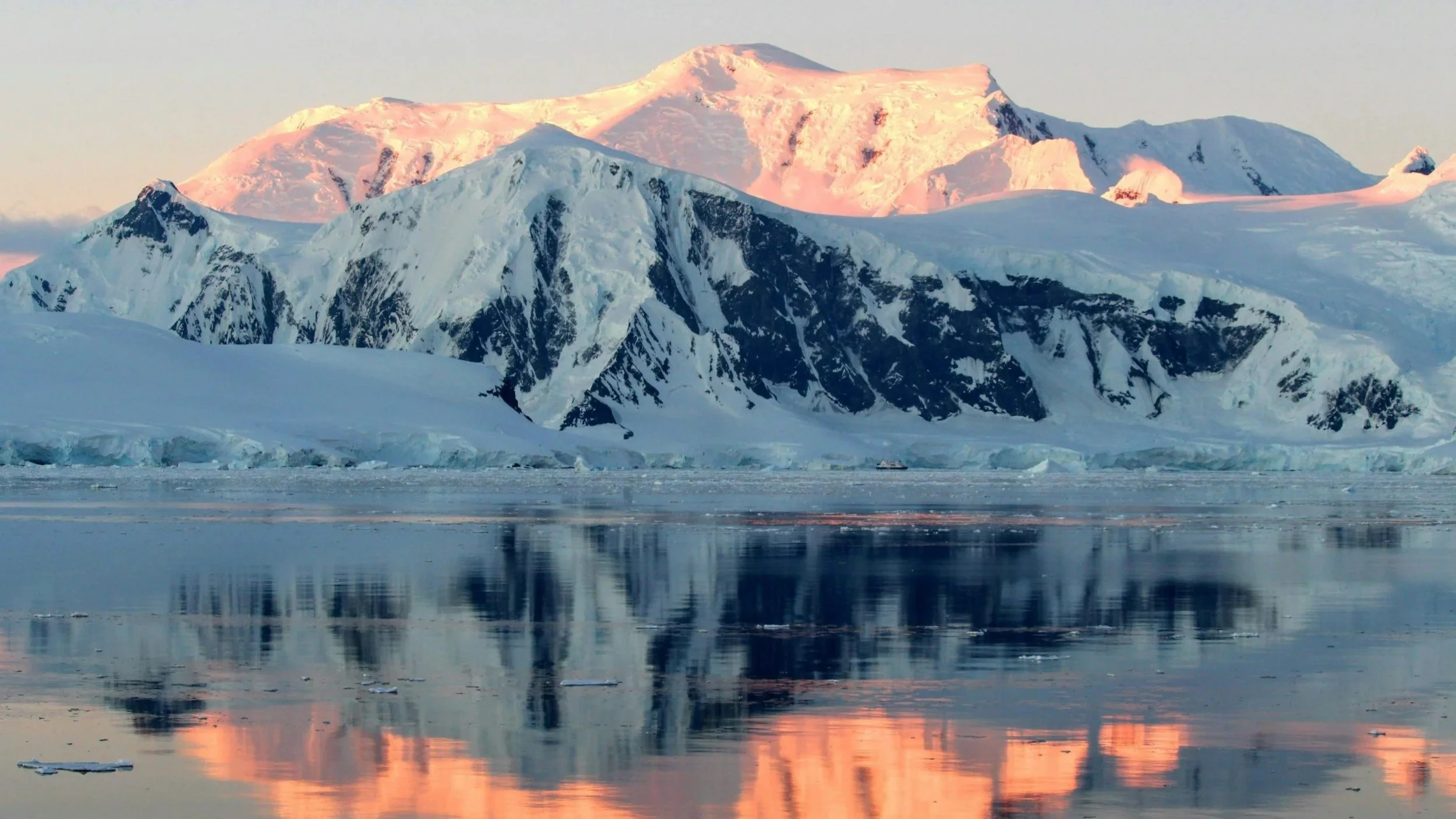
It takes you to remote, wild, and often hard-to-reach places—think Alaska’s rugged coastline, the wildlife-rich Galápagos, or the icy expanse of Antarctica.
But more importantly, it allows you to truly engage with those places.
You’re not just passing through.
You’re stepping into the environment.
Expect days filled with:
Guided Zodiac landings in remote locations
Wildlife encounters in their natural habitat
Walks and hikes led by expert guides
Up-close exploration of landscapes few people ever see
This is immersive travel in its purest form.
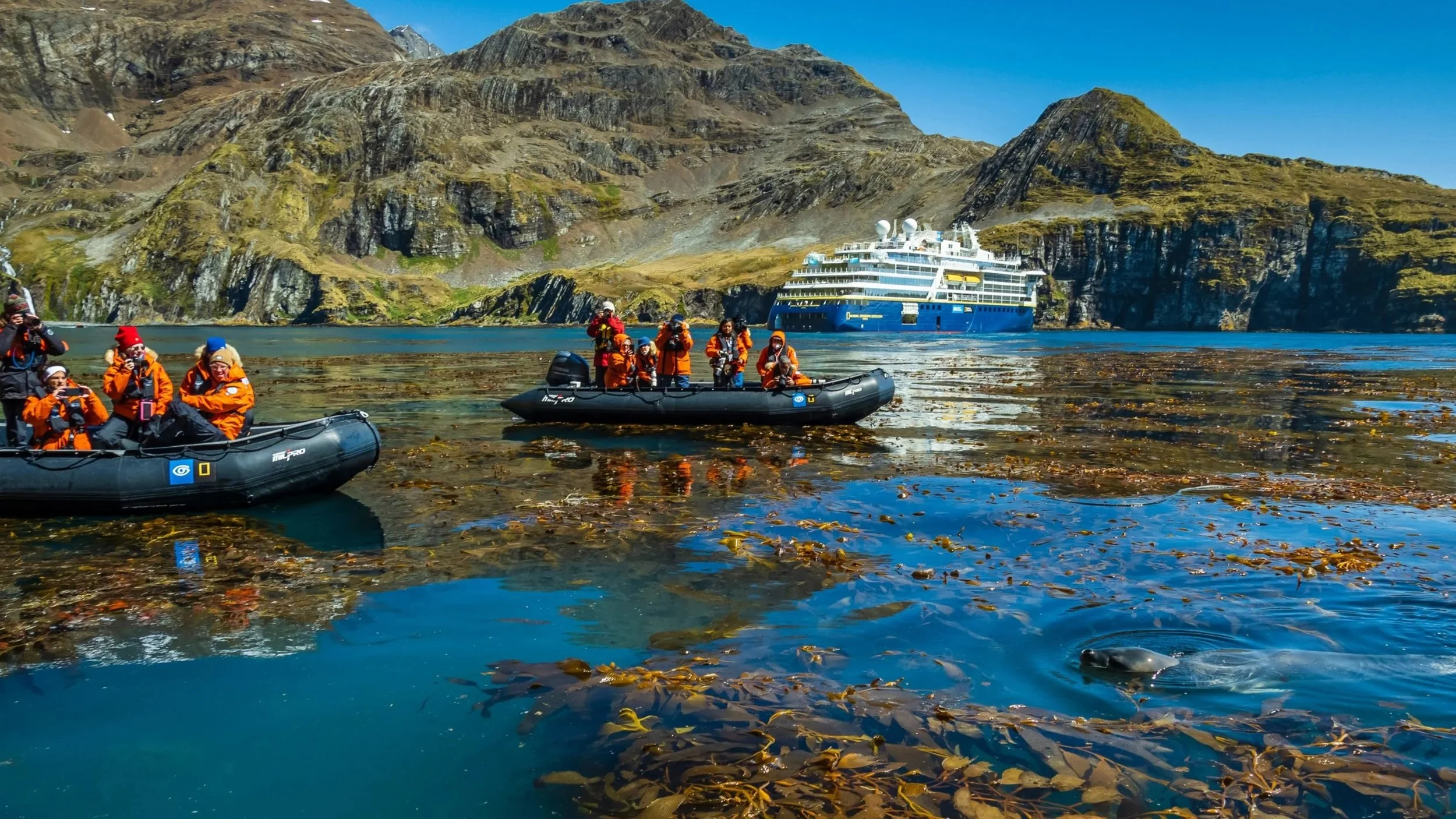
Guests exploring by Zodiacs observe a Leopard Seal in Hercules Bay, South Georgia. (photo: Ralph Lee Hopkins.)
how it’s different from other cruises
Traditional cruising often centers around the ship itself.
Expedition cruising flips that idea entirely.
Here, the ship is a tool—purpose-built to access extraordinary places—not the main attraction.
A few key differences:
No crowds, no chaos
Smaller ships mean fewer guests and more meaningful experiencesNo “entertainment schedule”
No quiz nights or staged productions—nature sets the agendaFlexible itineraries
Routes may shift based on wildlife sightings, weather, or unique opportunitiesExpert-led experiences
Naturalists, marine biologists, and historians guide every stepActive, hands-on exploration
You’re not watching from a deck—you’re out there experiencing it
Luxury can absolutely be part of the journey.
But it’s understated, thoughtful, and never the focus.
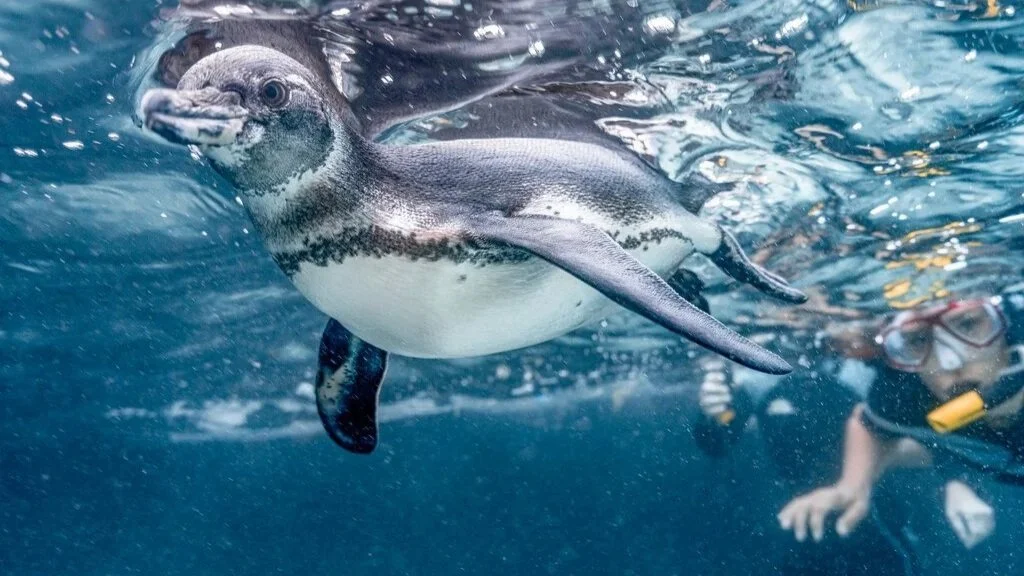
Guests snorkel alongside a Galápagos penguin, the only penguin species found north of the equator and uniquely adapted to life in a tropical environment. (photo: Joshua Vela Fonseca)
a deeper connection to the world around you
This style of travel is rooted in curiosity.
And in respect for the natural world.
There’s a strong emphasis on education, conservation, and understanding the environments you visit.
You’ll come away not just with photos—but with perspective.
Moments that feel rare.
Encounters that feel meaningful.
Experiences that stay with you.

Hiking to the summit of Bartolomé Island in the Galápagos Islands, Ecuador, to take in the iconic view of Pinnacle Rock. (photo: David Vargas)
not just for adults
Expedition cruising isn’t just for seasoned travelers.
Many sailings are incredibly well-suited for families—and can be a powerful way for kids to experience the world.
Some itineraries even offer dedicated youth programming, helping younger travelers engage with wildlife, science, and exploration in a hands-on way.
It’s the kind of travel that sparks curiosity at any age.
why choose an expedition cruise?
Because you want more than a vacation.
You want something immersive.
Transformative.
Exhilarating.
You want to feel connected—to the place, to the moment, and to the people you’re sharing it with.
Expedition cruising attracts travelers who:
Value experiences over amenities
Are curious, engaged, and open to discovery
Appreciate wildlife and natural beauty
Enjoy active days and meaningful encounters
Want to explore the world in a deeper, more intentional way
There’s often a shared sense of purpose onboard.
A quiet understanding that everyone is there for something more.
the takeaway
Expedition cruising isn’t about checking destinations off a list.
It’s about truly experiencing them.
It’s about slowing down, leaning in, and seeing the world differently.
And for the right traveler, it’s one of the most rewarding ways to explore our planet.
Curious if expedition cruising is the right fit for you?
I’d love to help you explore the possibilities and create a journey you’ll never forget.